

Deliver AI-defined compute foundation for world’s first personal robocar
Tensor is integrating more than 400 Arm-based cores per vehicle, underpinning its AI-first approach to Level 4 autonomy. Through this partnership, Tensor is leveraging the Arm® compute platform, which unifies hardware, software and ecosystem enablement, to power physical AI workloads spanning the entire vehicle.
AIDV reference architecture
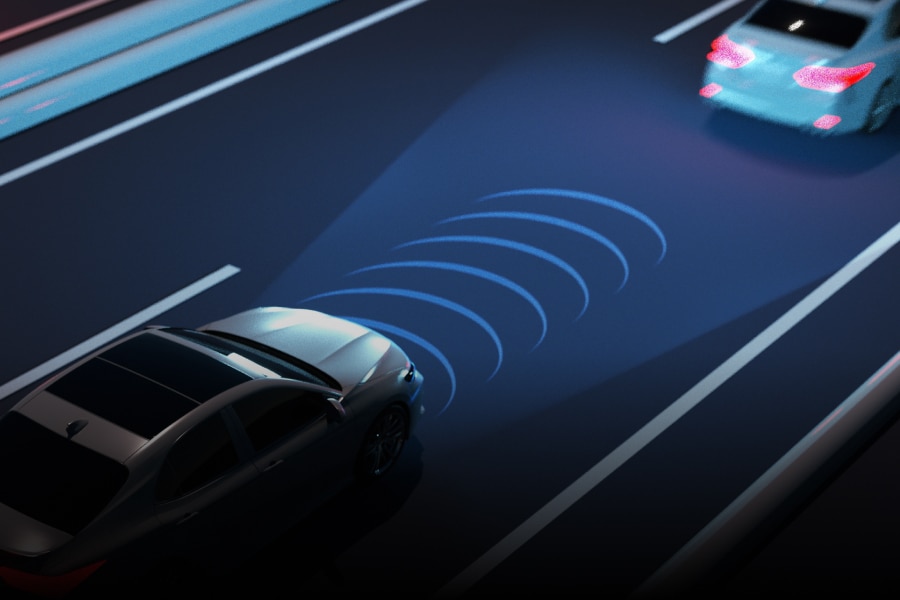
Autonomy & advanced driver assistance systems (ADAS)
Create AI-powered ADAS features such as navigation on autopilot (NOA), object detection, hazard handling, and autonomous lane changing. Arm compute ensures consistent, scalable performance across vehicle models while enabling real-time, safety-critical functionality.

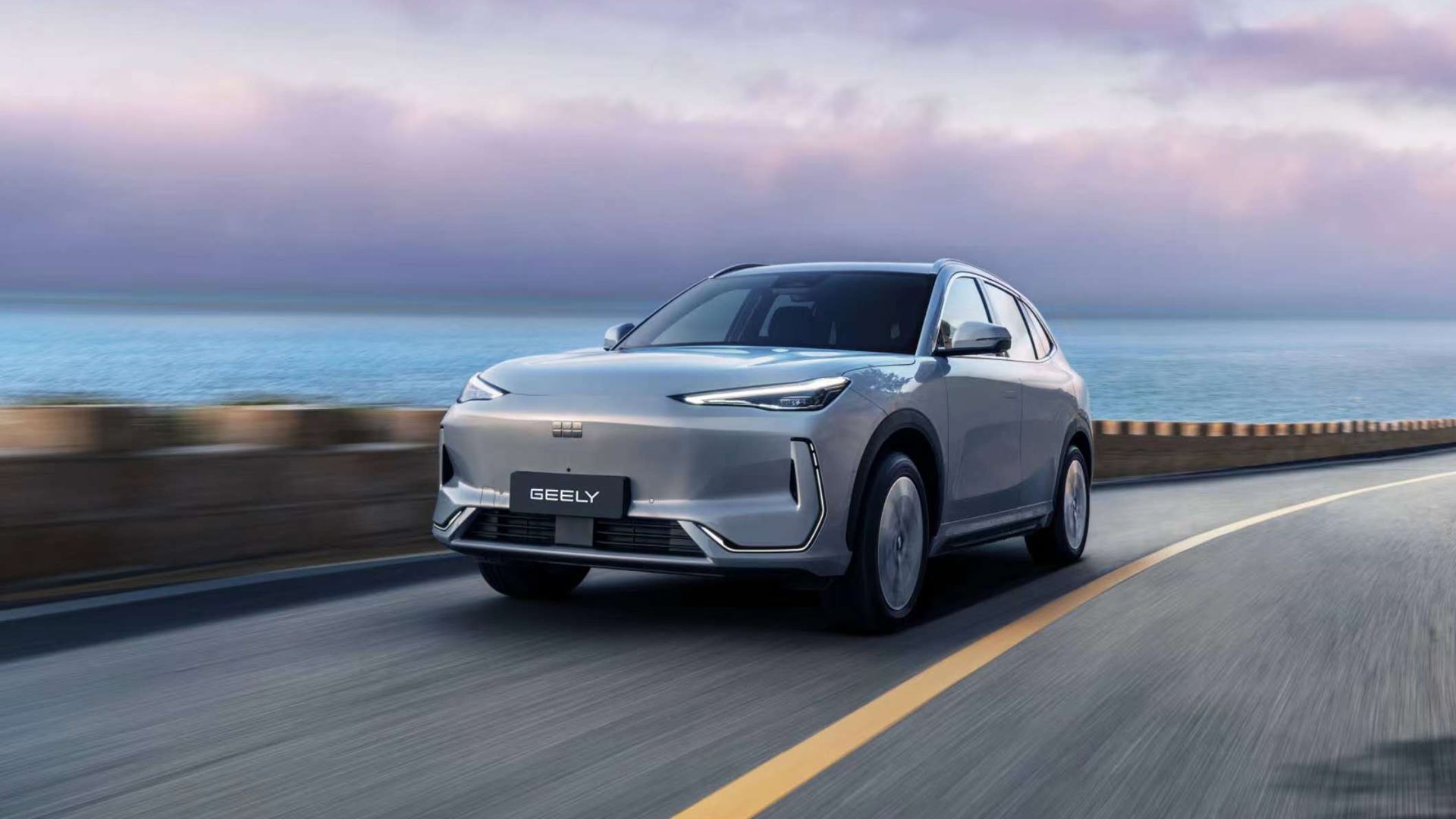
Robo vehicles
The frontier of physical AI, machines that not only perceive the world but safely act within it. From real-time sensor processing to high-level decision-making, Arm provides the heterogeneous compute foundation needed to bring autonomous mobility to the mass market.

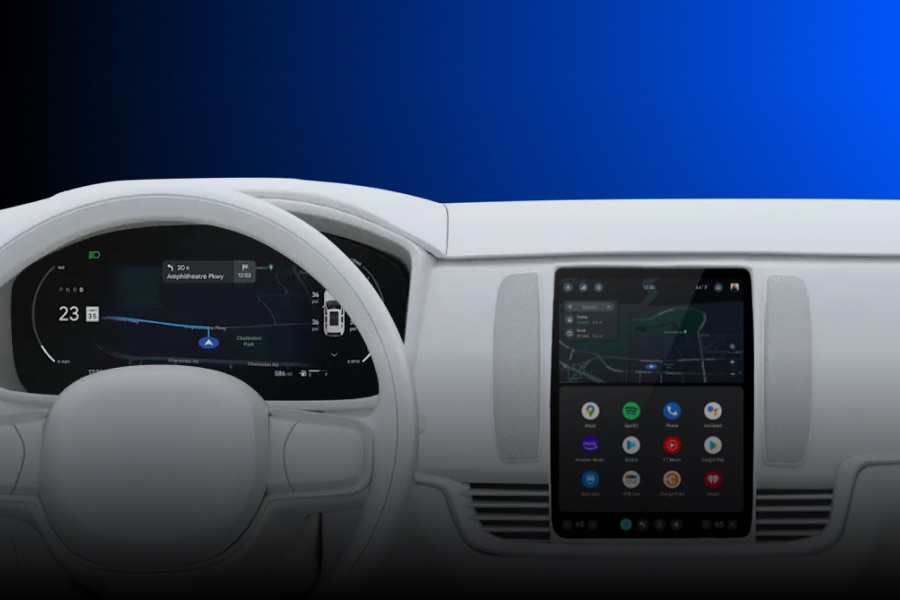
In-vehicle infotainment (IVI)
Deliver intelligent, cloud-connected infotainment that adapts to each driver, creating personalized spaces on the move. Agentic AI enables human-centric voice activation, seamlessly connecting vehicles to personal homes and work devices, laying the foundation for future smart cities.

Centralized compute systems
Designing high-performance centralized compute systems that process data faster and simplify hardware complexity improves software testing, reusability, and maintenance.


Arm Total Design for Physical AI
Accelerate the development of physical AI solutions with Arm technology, ecosystem collaboration, and a faster path from concept to deployment.
News and blogs


-
AI-defined vehicles require a flexible, scalable compute architecture that can run physical AI workloads safely and efficiently across the entire vehicle.
-
Arm has a range of AE products and compute subsytems that make up the Arm compute platform. These are enhanced for functional safety and cybersecurity and provide flexibility for physical AI innovation.
-
Centralized compute simplifies vehicle design, replacing fragmented ECUs with platforms that improve software reuse, testing, and lifecycle management.
-
Arm provides a safety-certified, heterogeneous compute foundation, supporting ADAS, IVI, autonomous mobility, and AI-driven innovation at scale.
-
A broad Arm software ecosystem accelerates development, enabling partners and OEMs to bring AI-defined vehicles to market faster and more efficiently.


FAQs
What are the core hardware components for AI-driven vehicle systems?
AI-workload requirements combine high-performance with power efficiency in order to process large amounts of data within space-constrained systems. Arm has a full range of products to enable these vehicle systems.
What are the leading physical AI technologies used in autonomous vehicles?
Arm Neoverse and Arm Cortex-A technology are the primary processors used in most physical AI solutions. This performance CPU combines with Cortex-R real-time compute for safety islands and security enclaves.
How does Arm support real-time AI requirements in AI-defined vehicles?
Arm enables real-time AI through scalable, heterogeneous compute architectures that combine high-performance CPUs and real-time processors. This allows AI workloads such as perception, sensor fusion, and planning to run with predictable latency alongside safety-critical vehicle control systems.
What role does centralized compute play in AI-defined vehicle architectures?
Centralized compute consolidates previously distributed ECU functions onto fewer, more powerful platforms. This simplifies system integration, improves software reuse, accelerates validation, and enables AI workloads to scale across vehicle domains such as ADAS, IVI, and autonomy.
How can I talk to Arm about my compute needs?
The physical AI team is happy to discuss your system requirements. Click here to contact us.