
Why choose Arm for mobile and PC

AI-first
Deploy AI-first experiences across devices with Arm’s unified architecture and software ecosystem.

Industry-leading performance
Maximize on-device AI and graphics performance with Arm’s Scalable Matrix Extension 2 (SME2) and neural technologies.

Security built in
Protect models, data, and OS with Armv9 security features and secure system IP.

Faster time-to-market
Ship AI-first phones and PCs sooner with Arm’s integrated system architecture.
Featured partners building AI-first devices on Arm
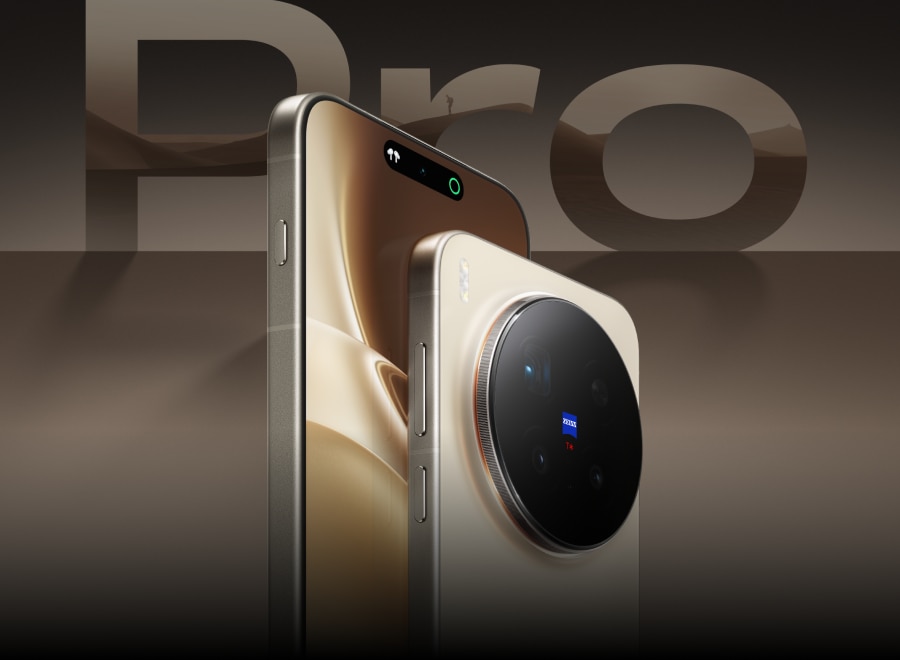
Leading chipmakers, OEMs, and software ecosystem partners build their mobile and PC roadmaps on Arm. They rely on Arm’s platform approach to achieve industry leading performance per watt, meet increasing security expectations, and compress design cycles on advanced nodes, turning ambitious AI and gaming roadmaps into deployable products across tiers and regions.


Latest news and resources
- News and blogs
- Guide


AI supercharging the future of mobile graphics
See how mobile AI workloads create advanced computing capabilities and performance, improving graphics, intelligent interactions, and immersive gaming experiences.
Key takeaways
-
The Arm Lumex CSS platform delivers leading performance per watt for on-device AI, gaming, and everyday workloads.
-
Armv9 security and secure system IP protect AI models, user data, and overall device integrity.
-
Pre-integrated compute subsystems with software enablement to reduce integration risk and speed time-to-market for silicon partners and OEMs.
-
Developers get day-one access to AI acceleration, gaming, and graphics tools, allowing them to build once and deploy broadly across devices.


FAQs
What Arm products are included in the Mobile and PC category?
This category covers Arm’s compute platforms and IP for smartphones and PCs, including the Lumex CSS platform for mobile, C1 CPU clusters, Mali GPUs, system interconnects, DSUs, and supporting software libraries such as Kleidi. Together, they form a foundation platform for AI-first, power-efficient, and secure devices across tiers.
How does Arm improve performance per watt for mobile and PC AI workloads?
Arm co-designs CPU, GPU, and system IP with physical implementations to optimize data movement, cache hierarchies, and workload placement. The result is higher IPC, more performant ray tracing, upscaling, neural graphics, and better AI throughput at a given power budget, allowing sustained AI and gaming workloads on battery-powered devices and lightweight PCs.
How is security addressed across Arm-based Mobile and PC platforms?
Security is built into the Armv9 architecture, giving OEMs and SoC partners a trusted foundation for on device AI workloads and end-user experiences.
How do Arm platforms reduce integration complexity and time-to-market?
Arm CSS provides a pre-architected, validated platform of CPU, GPU, and system IP, along with foundry-optimized physical implementations and software enablement. This reduces the amount of custom plumbing, shortens bring-up and validation cycles, and helps partners align silicon delivery with OEM launch windows.
Will my everyday apps work on an Arm-based AI PC?
Most popular Windows apps run on Arm-based AI PCs, either natively or through Windows emulation. To check specific apps or games, visit Works on Windows on Arm for a searchable compatibility directory.